Biometrics Reshaping Authorization Checks for Recurring Deductions Across Global Remittance Rails
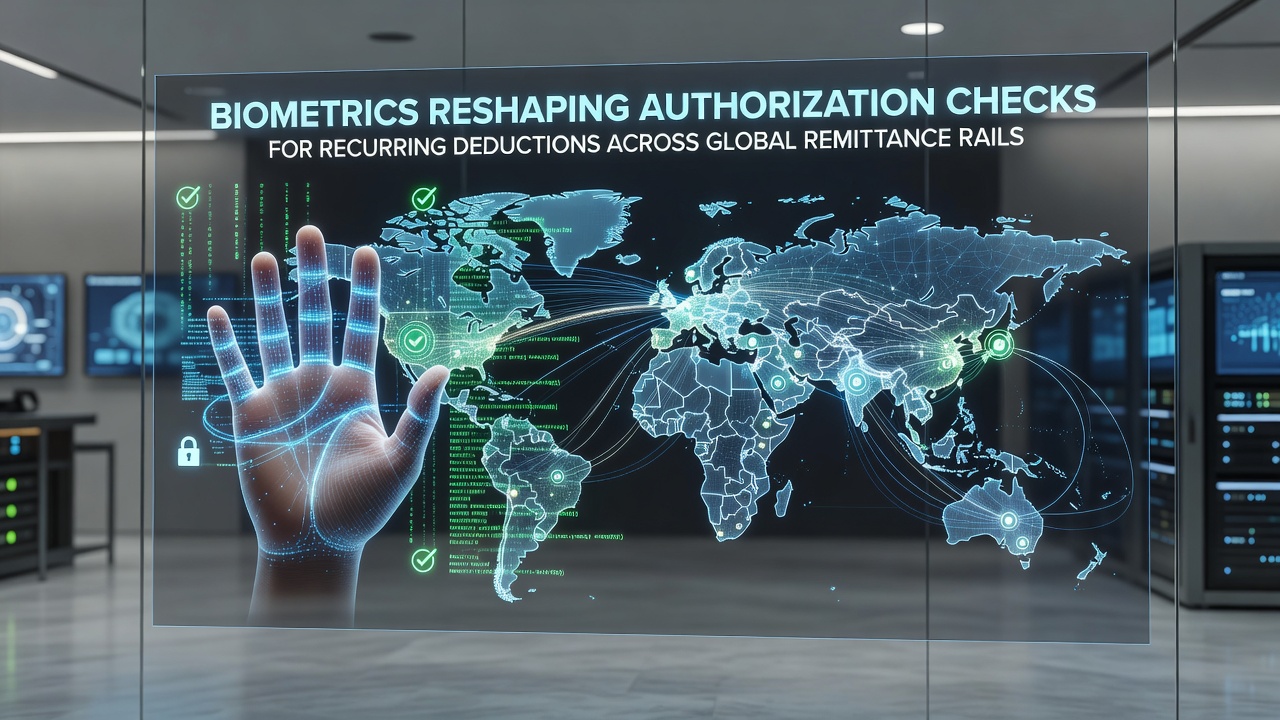
Biometric technologies have started to alter how authorization occurs for recurring deductions in cross-border payment networks, and observers note that these shifts affect both security protocols and user verification processes. Data from payment platforms shows that fingerprint scans, facial recognition, and iris patterns now serve as primary methods for confirming ongoing transfers instead of relying solely on static passwords or one-time codes. This change has gained traction because biometric data remains unique to each individual while allowing systems to process deductions across multiple currencies and jurisdictions without repeated manual inputs.
How Biometric Verification Integrates with Recurring Payment Flows
Payment processors have incorporated biometric checks at the point of initial authorization and during periodic reviews of active deductions, which means a single enrollment can support multiple scheduled remittances. Researchers at institutions tracking global finance have documented cases where facial recognition systems match live images against stored templates to validate that the account holder still approves the recurring amount. In regions handling high volumes of worker remittances, these methods reduce the need for repeated card details or bank logins while maintaining audit records that comply with varying national data protection rules.
June 2026 marked a notable expansion when several remittance corridors adopted updated standards requiring biometric confirmation for deductions exceeding certain thresholds. Figures from the Bank for International Settlements reveal that adoption rates climbed in corridors connecting Southeast Asia to the Middle East as platforms integrated these checks into existing rails like local instant payment systems and correspondent banking networks.
Security Enhancements Across Different Remittance Corridors
Security teams at major processors report fewer instances of unauthorized recurring charges when biometric layers replace traditional credentials because matching algorithms flag anomalies in real time. Voice biometrics, for example, allow users in regions with limited smartphone access to confirm deductions through simple phone calls while the system analyzes speech patterns against enrolled samples. Those who manage cross-border family support payments have seen platforms apply these tools to maintain continuity even when users switch devices or travel between countries.
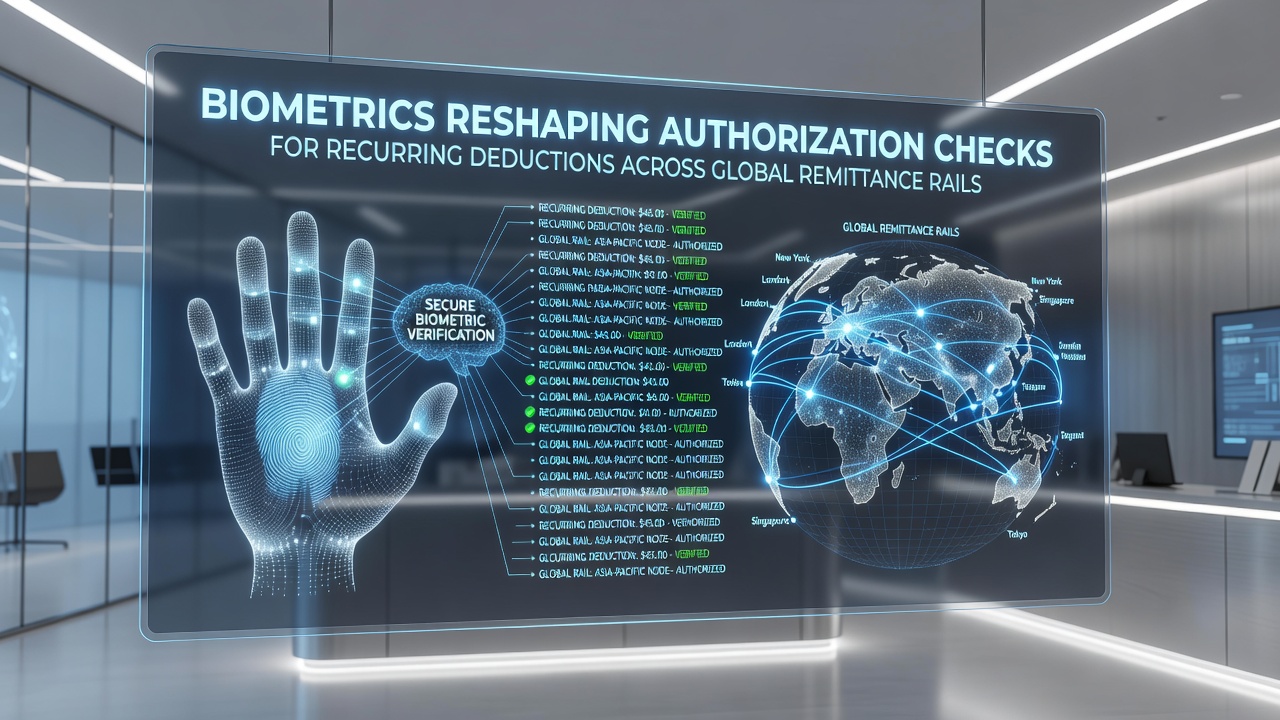
European regulatory updates from the European Data Protection Board have guided how biometric templates are stored, requiring encryption that prevents reconstruction of original images yet still permits matching during deduction cycles. In parallel, Canadian payment frameworks have emphasized consent mechanisms that let users revoke biometric access without disrupting the underlying transfer schedule. Observers note that these regional differences create layered compliance requirements for platforms operating across multiple rails, yet the core process remains consistent: capture, match, and log each authorization event.
Operational Adjustments for Platforms and Users
Remittance providers have adjusted backend systems to handle biometric data alongside traditional identifiers, which allows seamless transitions when a user initiates a new recurring deduction from a different country. Studies from academic groups examining digital finance indicate that processing times for initial setup have shortened because biometric enrollment often occurs once and then applies across linked accounts. What's interesting is that platforms now coordinate with local telecommunications providers in some markets to enable biometric confirmation via mobile networks when internet connectivity fluctuates.
Case examples from Latin American corridors show that workers sending regular payments home can authorize deductions through fingerprint readers at agent locations, and the system records the confirmation against the transaction trail for later review. This approach supports both digital and hybrid models where users move between app-based and in-person channels. Data indicates that error rates in authorization drop when biometric matching occurs at multiple points rather than only at enrollment.
Compliance and Data Handling Considerations
Regulatory bodies in Australia and the United Kingdom have issued guidance on biometric retention periods for financial services, specifying that templates must be deleted after account closure while audit logs remain for required intervals. Platforms must therefore separate the biometric matching function from long-term storage of personal financial records. Those who design these systems have found that federated matching techniques allow verification without centralizing all biometric data in one location, which aligns with cross-border data transfer restrictions.
Industry reports from the World Bank highlight how biometric authorization supports financial inclusion by reducing documentation barriers for users who lack traditional identification documents yet can still enroll through captured physical traits. This has proven relevant in corridors serving migrant populations where recurring deductions fund education or healthcare expenses back home.
Future Developments in Authorization Protocols
Emerging standards under discussion at international payment forums focus on interoperability between biometric systems used by different remittance rails, which would let a fingerprint enrolled in one network validate a deduction processed through another. Research indicates that multimodal approaches combining two biometric types further strengthen checks against spoofing attempts while preserving processing speed. Platforms continue to refine threshold settings so that minor variations in lighting or voice quality do not interrupt legitimate recurring transfers.
Conclusion
Biometric integration into authorization for recurring deductions continues to evolve across global remittance networks as platforms balance security, compliance, and accessibility requirements. Data from multiple regions shows measurable shifts in how verifications occur, with enrollment processes now supporting ongoing deductions more efficiently than previous credential-based methods. Observers tracking these developments note that continued coordination among regulators and payment operators will determine how widely these practices expand in subsequent years.