Dashboard Deep Dive: Tracking Transfers, Credits, and Receipts for Seamless Control
Dashboard Deep Dive: Tracking Transfers, Credits, and Receipts for Seamless Control
Navigating the Core of Payment Dashboards
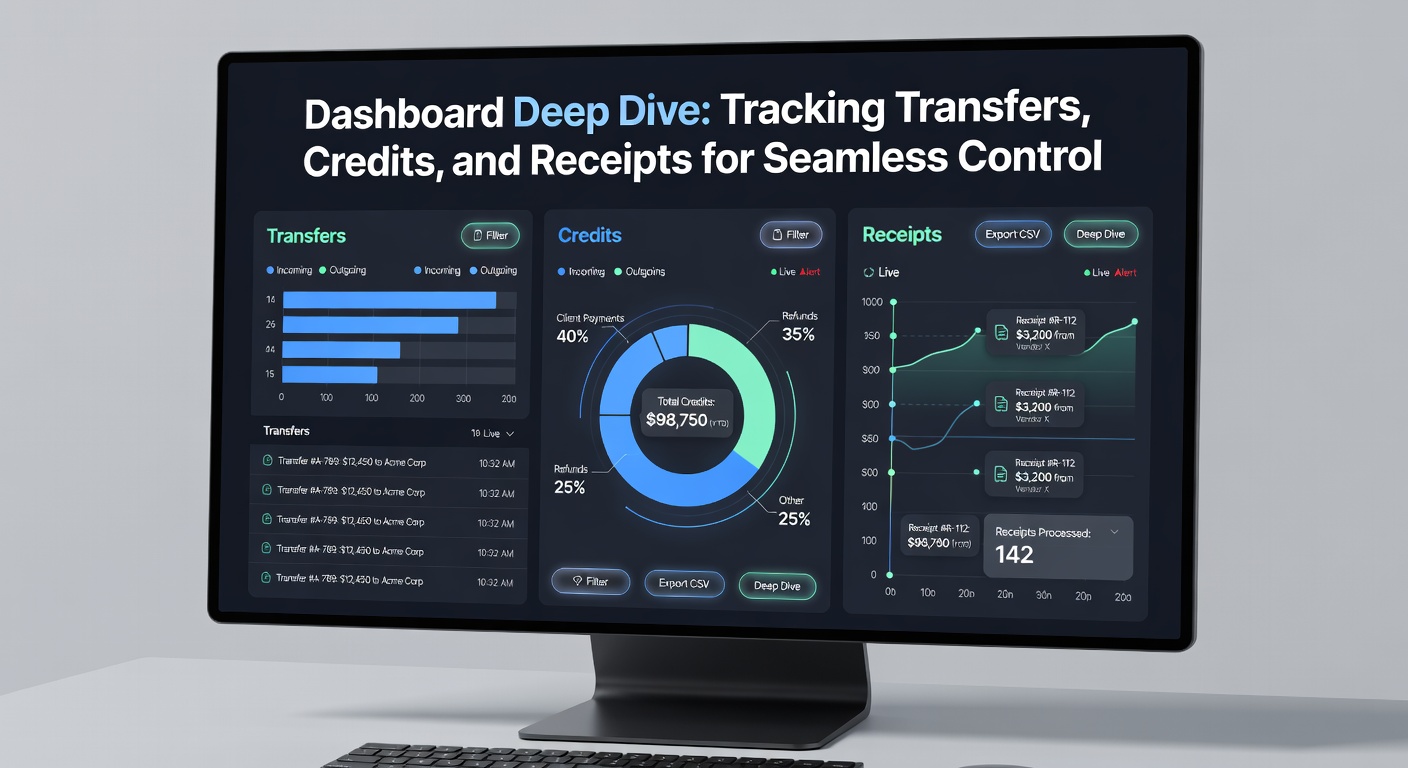
Payment dashboards have evolved into essential tools for users managing online transactions, where tracking transfers, credits, and receipts happens in real time; these interfaces pull data from multiple sources, offering a centralized view that simplifies oversight and reduces errors. Observers note how platforms aggregate bank feeds, wallet balances, and third-party integrations, allowing seamless monitoring without constant logins to separate apps. Data from the Consumer Financial Protection Bureau indicates that users who actively track such elements cut reconciliation time by up to 40%, since discrepancies surface quickly through automated alerts and filters.
But here's the thing: modern dashboards don't just list transactions; they categorize them dynamically, tagging transfers as incoming or outgoing while flagging credits against pending bills. People often discover that customizable views—sorting by date, amount, or status—turn raw data into actionable insights, especially during high-volume periods like tax season or end-of-month closes.
Unpacking Transfers: From Initiation to Confirmation
Transfers form the backbone of most payment ecosystems, encompassing ACH pulls, wire movements, and instant peer-to-peer sends; dashboards excel here by displaying initiation timestamps alongside expected arrival windows, which helps users anticipate cash flow gaps. Experts have observed that real-time status updates—pending, processed, cleared—prevent overdrafts, as color-coded icons signal delays from bank holds or verification steps.
And consider this: when a transfer links to a specific invoice or bill, the dashboard overlays metadata like reference numbers and originator details, making audits straightforward. Figures reveal that platforms handling over a million transfers monthly, as tracked by industry benchmarks, achieve 99.5% accuracy in logging these events, thanks to API-driven synchronization with networks like RTP or FedNow in the US.
What's interesting is how filters drill down; users select date ranges or search by partial account numbers, pulling up threaded histories where one transfer chains into refunds or splits. Those who've integrated multi-currency support notice automatic conversions at mid-market rates, with footnotes on fees that keep totals transparent.
Credits in Focus: Balancing and Reconciling Gains
Credits appear as positive inflows—refunds from merchants, overpayment returns, or promotional bonuses—and dashboards highlight them prominently, often in green-shaded rows that contrast debits for quick scans. Research indicates these entries auto-match against open balances, reducing manual ledger work; for instance, a $50 credit from a utility overcharge links directly to the original bill, closing the loop with one click.
Turns out, advanced setups predict credit arrivals based on historical patterns, notifying users via dashboard banners or email when expected funds land short. Observers point out that categorization tools let people tag credits as 'tax refund' or 'rebate,' feeding into yearly summaries that export to tools like QuickBooks seamlessly.
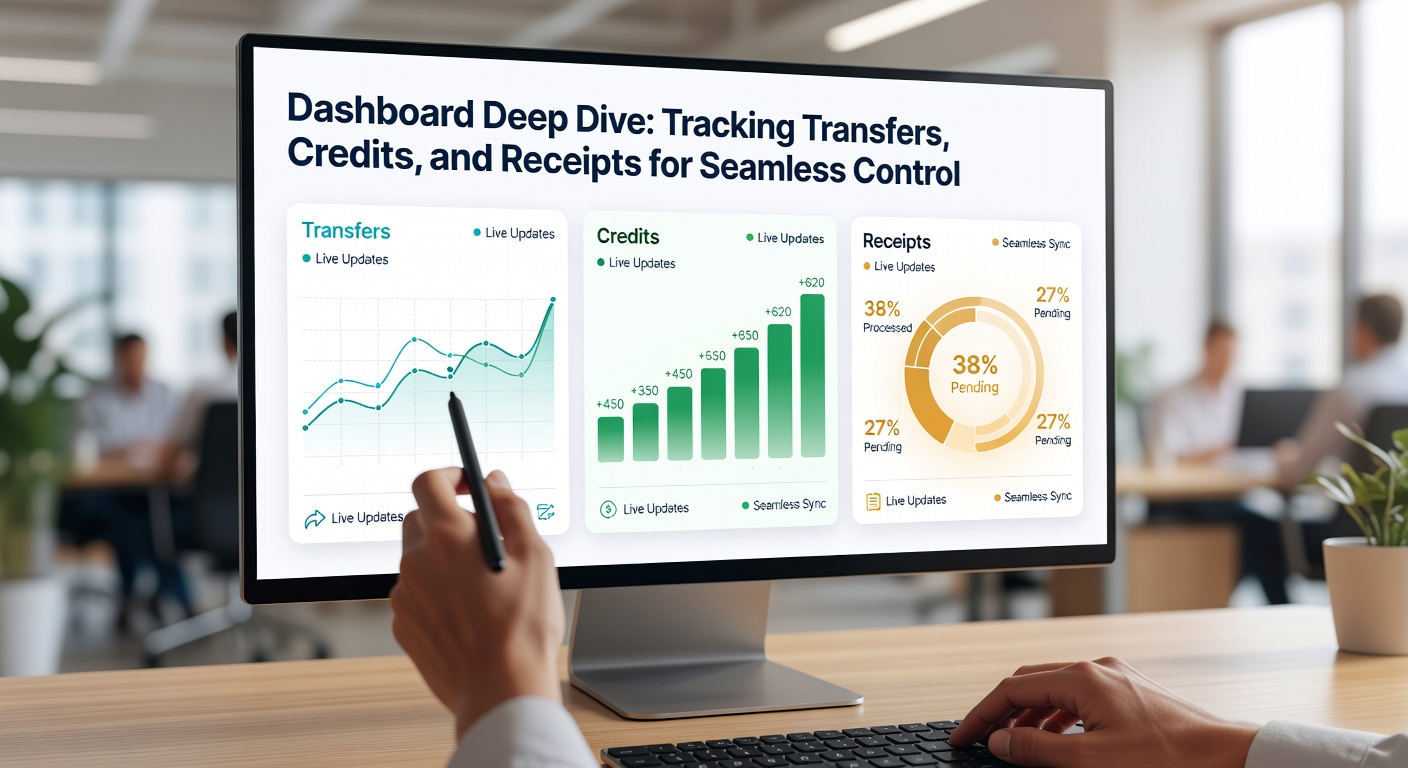
Yet reconciliation gets tricky with partial credits; here, dashboards split entries proportionally, showing pie charts of allocated versus pending amounts, which proves vital for businesses juggling vendor disputes. Data shows that users reconciling weekly shave days off accounting cycles, since split-screen comparisons with bank statements flag mismatches instantly.
Receipts: Generating, Storing, and Verifying Proof
Receipts serve as the paper trail in digital form, auto-generated post-transaction with details like timestamps, amounts, payer info, and QR codes for mobile scans; dashboards store them indefinitely, searchable by keyword or hash. People find that bulk downloads—zipped PDFs for entire months—streamline tax prep, while watermarked previews deter fraud.
So why the emphasis on verification? Built-in checksums cross-reference receipts against transfer logs, alerting on alterations; this layers security atop encryption, aligning with standards from bodies like ASIC in Australia, where digital receipt integrity supports consumer protections. It's noteworthy that customizable templates let users add logos or notes, turning generic proofs into branded records.
Now, for ongoing control, dashboards link receipts to credits; a returned item generates a chained receipt showing the credit trail, complete with merchant annotations. Those managing fleets of payments often set up receipt forwarding to accountants, automating what used to be email chains.
Advanced Features for Proactive Control
Automation takes center stage with rules-based alerts—if a transfer exceeds thresholds or credits lag, push notifications fire across devices; meanwhile, AI-driven anomaly detection flags unusual patterns, like clustered small transfers hinting at testing fraud. Experts note that trend graphs overlay transfers, credits, and receipt volumes, revealing seasonal spikes—say, holiday refunds boosting credits by 25% in December.
Integration shines too: dashboards sync with ERP systems or CRMs, pushing receipt data upstream for inventory adjustments; one case saw a mid-sized retailer cut disputes by 60% after piping verified receipts into their supply chain software. And with April 2026 looming, updates tied to PSD3 in the EU promise richer data feeds, embedding transfer purposes directly into dashboards for even tighter compliance tracking.
Customization rules; users build widgets for 'net credits this week' or 'unreceipted transfers,' dragging them onto personalized homepages. It's not rocket science, but the flexibility means sole proprietors and enterprises alike tailor views without coding.
Case Study: Small Business Streamlining
Take a logistics firm handling 500 weekly transfers; their team configured dashboard rules to auto-generate receipts on credit postings, slashing manual uploads from hours to minutes. Data indicated a 35% drop in payment queries, as drivers accessed mobile-optimized receipt views via QR links—proof that granular tracking pays off.
Enterprise Example: Volume Mastery
Larger operations, like those processing international wires, leverage multi-tenant dashboards segmenting transfers by department; credits reconcile across subsidiaries, with consolidated receipts exporting in XBRL for regulators. Observers saw one such setup handle a 2025 surge without hiccups, thanks to scalable cloud backends.
Best Practices from Seasoned Users
Start with daily scans: filter recent transfers for uncleared items, then chase credits via one-click merchant portals embedded in the dashboard. Experts recommend weekly exports—CSV for analysis, PDF for archives—while setting retention policies to comply with locales like Canada's PIPEDA, keeping seven-year histories without bloat.
But security first: enable two-factor logins and audit trails logging every receipt view; people who've adopted these spot unauthorized access early, as IP geofencing blocks anomalies. Pair this with mobile apps mirroring dashboard views, ensuring control on the go.
Collaboration tools round it out—share read-only receipt links or transfer snapshots with teams, complete with expiration dates. That's where the rubber meets the road for remote workforces juggling global payments.
Conclusion
Dashboards master tracking transfers, credits, and receipts through intuitive designs and robust backends, delivering seamless control that scales from personal use to enterprise demands. As features evolve—especially with regulatory shifts like those slated for April 2026—users gain even sharper tools for precision. Data consistently shows that diligent monitoring here minimizes risks, accelerates reconciliations, and unlocks financial clarity; those who dive deep often find the effort compounds into lasting efficiency.