Interfacing Alert Systems with Authorization Protocols to Enhance Record Integrity in Online Fund Movements
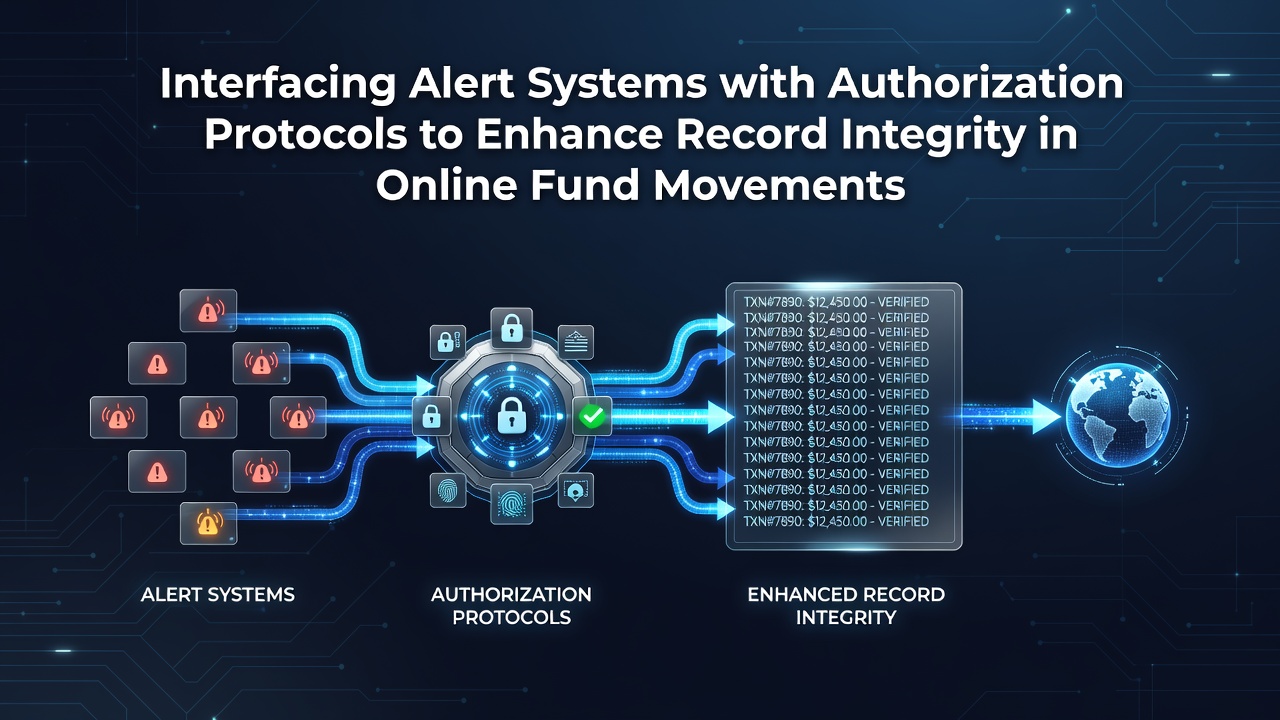
Financial platforms rely on coordinated alert mechanisms and authorization sequences to preserve accurate records during electronic fund transfers, and this integration supports consistent verification across multiple transaction stages. Systems process requests through sequential checks where alerts flag potential discrepancies before final approval occurs, which helps maintain detailed logs that reflect each movement without gaps or alterations. Observers note that organizations deploying these combined frameworks report fewer discrepancies in settlement data compared to isolated setups, since alerts trigger immediate reviews that align with protocol requirements.
Core Components of Alert Integration
Alert systems operate by monitoring transaction parameters in real time, including amount thresholds, destination accounts, and timing patterns, then generate notifications that feed directly into authorization workflows. When an alert detects an anomaly such as an unusual transfer size, it pauses the process and routes the event to validation modules that apply predefined rules before allowing continuation. Researchers have documented how this linkage reduces entry errors because each alert carries contextual data that authorization protocols use to cross-reference user history and device identifiers.
Authorization protocols establish the gates through which transactions must pass, employing methods like multi-factor confirmation and token validation to confirm identity and intent. These protocols receive inputs from alert engines that highlight risk indicators, allowing the system to escalate or approve based on accumulated evidence rather than static criteria alone. In practice, platforms that synchronize these elements create audit trails where every alert instance links to its corresponding authorization decision, producing verifiable sequences that support regulatory compliance checks.
Record Integrity Mechanisms
Record integrity depends on unbroken chains of data that capture initiation, verification, and completion phases without manual intervention that might introduce inconsistencies. Interfaced systems achieve this by embedding alert outputs into authorization logs, ensuring that any flagged event receives a timestamped response that updates the central ledger automatically. Evidence from payment networks indicates that such automation preserves sequence accuracy because each step generates immutable entries tied to cryptographic hashes or digital signatures.
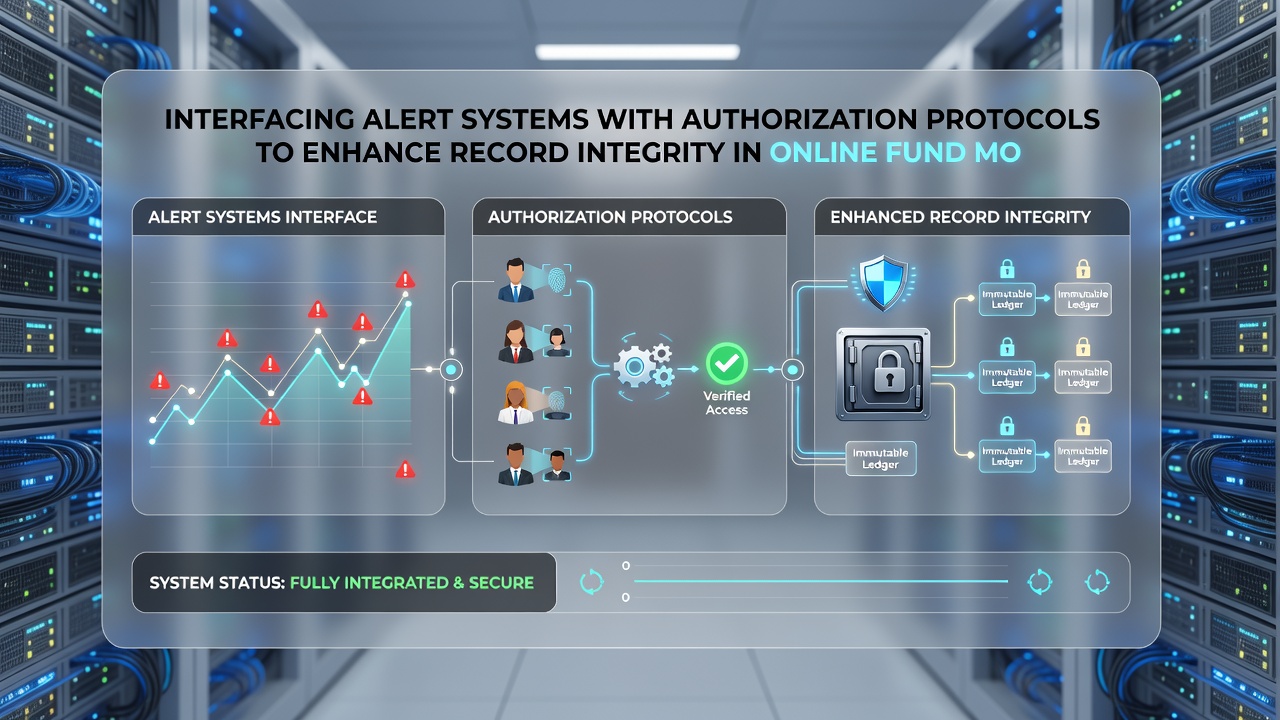
Platforms handling recurring payments demonstrate particular benefits when alerts coordinate with authorization to verify schedule changes or amount adjustments before execution. This coordination prevents mismatched entries that could otherwise appear in monthly statements or reconciliation reports. Those who've examined large-scale implementations find that the combined approach supports faster dispute resolution because historical records include both the alert trigger and the protocol resolution in a single accessible format.
Implementation Patterns Observed in 2026
By July 2026, several major processors had expanded their use of standardized APIs that allow alert systems to communicate directly with authorization servers across different jurisdictions. These connections follow specifications that define message formats for risk signals, enabling consistent handling whether the transfer originates domestically or crosses borders. Data from the Federal Reserve shows increased adoption of these interfaces among institutions seeking to align with evolving settlement standards.
Additional layers include conditional alerts that activate only when authorization attempts exceed set retry limits, which further refines record completeness by documenting access patterns alongside successful movements. Canadian regulatory updates around that period encouraged similar interfacing to strengthen oversight of cross-border remittances, while European frameworks emphasized interoperability testing between alert modules and existing protocol stacks.
Technical Considerations for Reliable Operation
Developers configure latency tolerances so alerts reach authorization points without delaying legitimate transfers beyond acceptable windows, typically measured in milliseconds for high-volume environments. Redundancy measures such as mirrored alert queues ensure continuity if primary channels experience interruptions, maintaining the flow of verification data into permanent records. Studies from academic sources on distributed ledger applications highlight how these safeguards contribute to overall system resilience when scaled to process millions of daily movements.
Encryption standards applied to alert transmissions protect sensitive details during transit to authorization endpoints, preventing interception that could compromise subsequent record entries. Organizations also implement version controls on protocol rules that reference alert criteria, allowing updates without breaking historical log compatibility. This approach supports long-term audit requirements because archived transactions retain their original alert and authorization associations.
Conclusion
Interfacing alert systems with authorization protocols produces structured records that reflect complete transaction lifecycles in online fund movements. Continued refinements in message protocols and monitoring thresholds support ongoing improvements in data accuracy across payment ecosystems, with implementations documented through mid-2026 demonstrating measurable consistency in settlement outputs.