Linking Wearable Device Payments to Personal Budget Forecasting Models
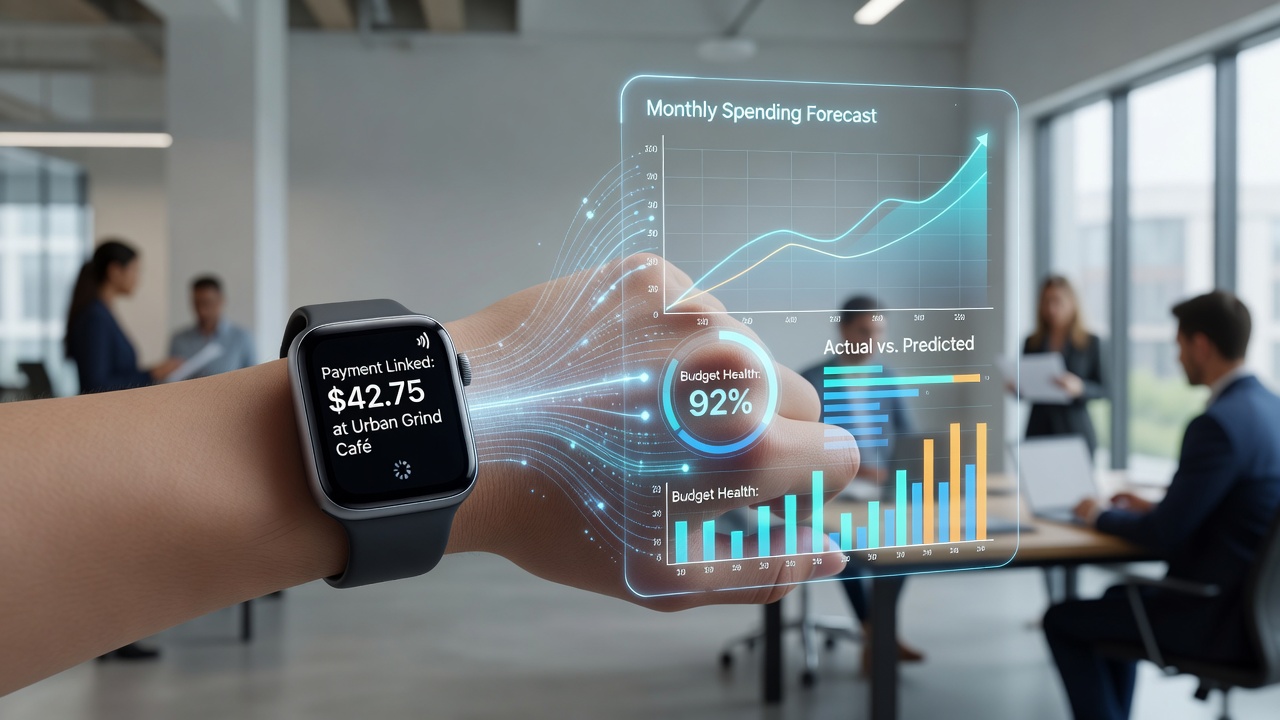 Data from multiple financial technology platforms shows that wearable device payments now integrate directly with personal budget forecasting models through secure APIs and real-time data streams. These connections allow transaction details from devices such as smartwatches to flow into predictive algorithms that adjust spending projections on a daily or weekly basis. Researchers at institutions studying digital finance note that this linkage reduces manual data entry while increasing the granularity of cash flow predictions across consumer accounts. The process begins when users authorize their wearable payment methods through banking applications or dedicated financial apps. Once enabled, each contactless transaction generates encrypted metadata including amount, merchant category, timestamp, and location coordinates. Forecasting models then ingest this information alongside historical account activity to refine projections for categories like groceries, transportation, and discretionary spending.
Data Flow and Model Inputs
Payment networks transmit wearable transaction records to central servers within seconds of authorization, and connected budgeting platforms receive these feeds through standardized protocols. Models apply machine learning techniques to identify spending patterns, such as recurring coffee purchases or weekly transit costs, then project future balances based on those trends. In July 2026 several major banks expanded their API access to include wearable-specific fields, allowing more precise categorization without user intervention.
Forecasting engines compare incoming data against user-defined goals, such as monthly savings targets or debt reduction timelines. When a wearable payment deviates from established norms, the system recalculates remaining budget allocations and issues alerts through the same device. Studies from the Bank of Canada indicate that users who connect wearable payments to forecasting tools experience measurable improvements in adherence to spending limits over six-month periods.
Security and Compliance Layers
Tokenization protects each wearable transaction before it reaches forecasting systems, while end-to-end encryption maintains data integrity during transfer. Regulatory frameworks in the European Union require explicit consent for sharing payment details with third-party analytics services, and similar standards apply in Canada and Australia. These requirements shape how platforms structure their data pipelines and limit the types of information available for model training.

Multi-factor authentication remains mandatory for initial linkage between wearables and forecasting accounts. After setup, ongoing verification occurs through behavioral biometrics collected by the device itself, including heart rate variability and movement patterns. This layered approach satisfies audit requirements while supporting continuous model updates.
Forecast Accuracy and Adjustment Mechanisms
Forecasting models incorporate wearable payment velocity as a key variable alongside salary deposits and bill schedules. When transaction volume spikes, the algorithms increase projected outflows for the current period and adjust subsequent forecasts accordingly. Academic papers from research groups at the University of Toronto demonstrate that inclusion of real-time wearable data improves prediction accuracy by 12 to 18 percent compared with models relying solely on traditional bank feeds.
Users configure tolerance thresholds that determine when deviations trigger model recalibration. A single large purchase may prompt immediate revision, whereas smaller fluctuations accumulate before prompting changes. These settings allow the system to balance responsiveness with stability across different user profiles.
Cross-Platform Synchronization
Many forecasting services now support simultaneous connections to multiple wearable ecosystems, including those using NFC and those relying on proprietary wireless standards. Data aggregation layers normalize transaction formats before feeding them into unified models. This synchronization enables households with mixed device types to maintain consistent budget projections without manual reconciliation.
Industry reports from the Federal Reserve highlight growth in wearable payment volume through 2026, with integration to budgeting platforms cited as a contributing factor in sustained adoption rates. Platforms that offer seamless linkage report higher retention among users who previously managed forecasts through spreadsheets or separate applications.
Conclusion
Linking wearable device payments to personal budget forecasting models creates a continuous feedback loop between spending behavior and financial projections. As of July 2026, technical standards and regulatory guidelines support broader implementation across regions, while data security measures address privacy concerns. Continued expansion of API capabilities and device features will likely sustain this integration trend in consumer finance platforms.