Tokenization Protocols Reshaping Recurring Authorizations and Compliance Logging in Digital Commerce Ecosystems
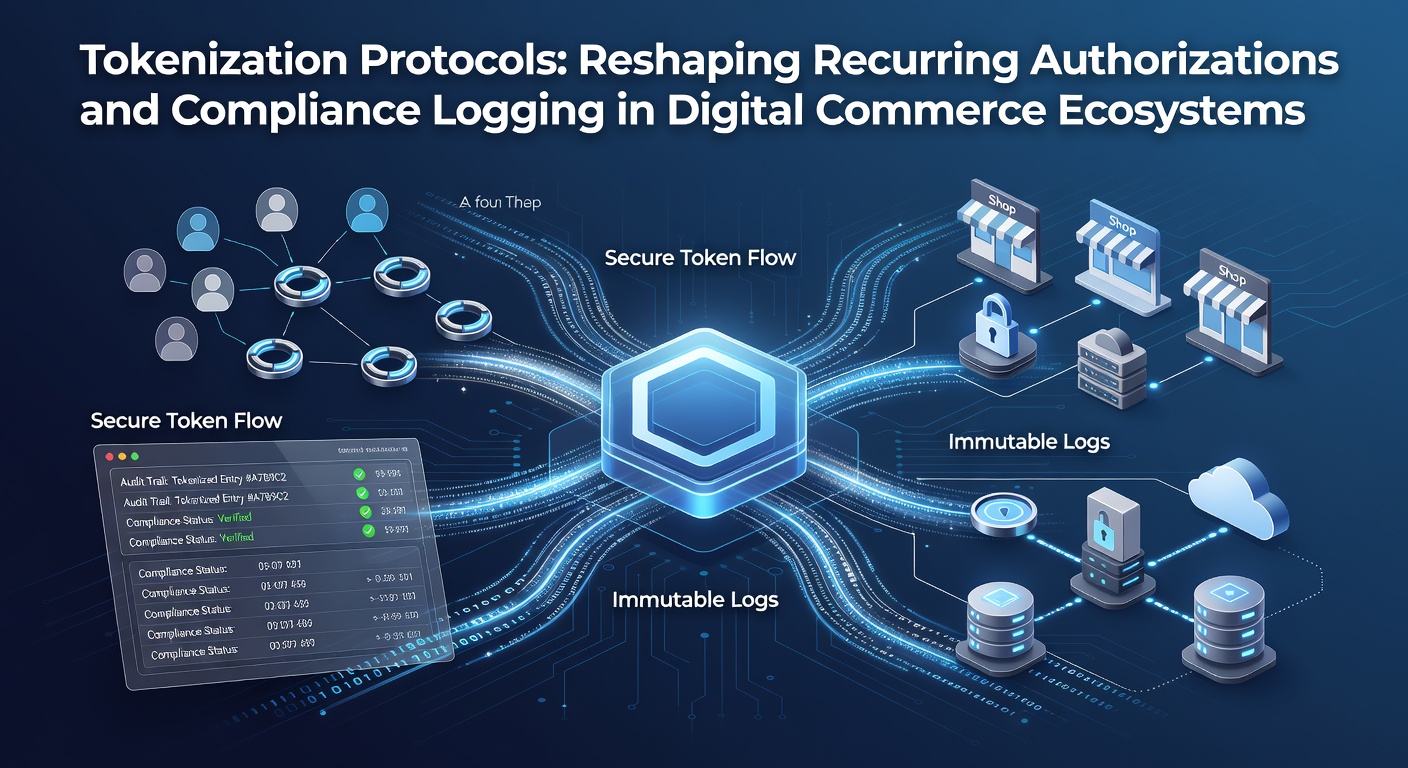
Tokenization protocols have moved from niche security tools into core infrastructure that handles recurring authorizations and detailed compliance records throughout digital commerce. These systems replace sensitive card details with unique tokens that merchants and processors use for ongoing charges without storing actual account numbers, and the approach reduces exposure while creating immutable logs that regulators and platforms rely on for audits.
How Tokenization Changes Recurring Payment Flows
Recurring authorizations in subscription services, utility billing, and automated replenishment now depend on token vaults that store and manage credentials separately from transaction data. When a customer sets up a monthly payment, the initial authorization captures the card details once, after which the system generates a token that links to the original account through a secure mapping held by the issuer or a third-party token service provider. This separation means subsequent charges reference only the token, so even if a merchant database faces a breach the exposed information carries no usable payment credentials.
Data from payment networks shows that token adoption for recurring transactions has accelerated because it supports seamless retries when cards expire or get replaced. Issuers can update the underlying account details in the vault without requiring customers to re-enter information, and this process maintains authorization continuity while logging every update as a distinct compliance event. Observers note that such mechanisms cut down on failed payments that previously disrupted revenue streams for merchants operating at scale.
Enhanced Compliance Logging Through Token Systems
Compliance logging benefits directly from the structured data tokens produce because each token carries metadata about its creation, scope, and usage history. Platforms record when a token is issued, which merchant requested it, the authorization amount range permitted, and any subsequent modifications, creating an audit trail that meets requirements from multiple jurisdictions. These records support real-time monitoring for suspicious patterns and simplify the production of reports demanded by oversight bodies.
European Central Bank documentation highlights how token-based logs integrate with broader payment oversight frameworks, allowing supervisors to trace authorization chains without accessing raw cardholder data. Similar approaches appear in systems monitored by the Reserve Bank of Australia, where transaction histories tied to tokens facilitate verification of consumer consent and recurring mandate validity. The resulting datasets prove more consistent than older methods that relied on scattered receipt files or manual reconciliation processes.
Integration With Broader Digital Commerce Platforms
Digital marketplaces and SaaS providers embed tokenization protocols into their checkout and billing engines so that recurring authorizations occur inside the same environment that handles one-time purchases. This integration allows a single customer profile to manage multiple payment relationships through tokenized entries, while the backend automatically generates compliance entries for each scheduled charge and any related disputes. The architecture supports dynamic amount adjustments when taxes or fees change, and every adjustment receives its own logged event tied to the original token.
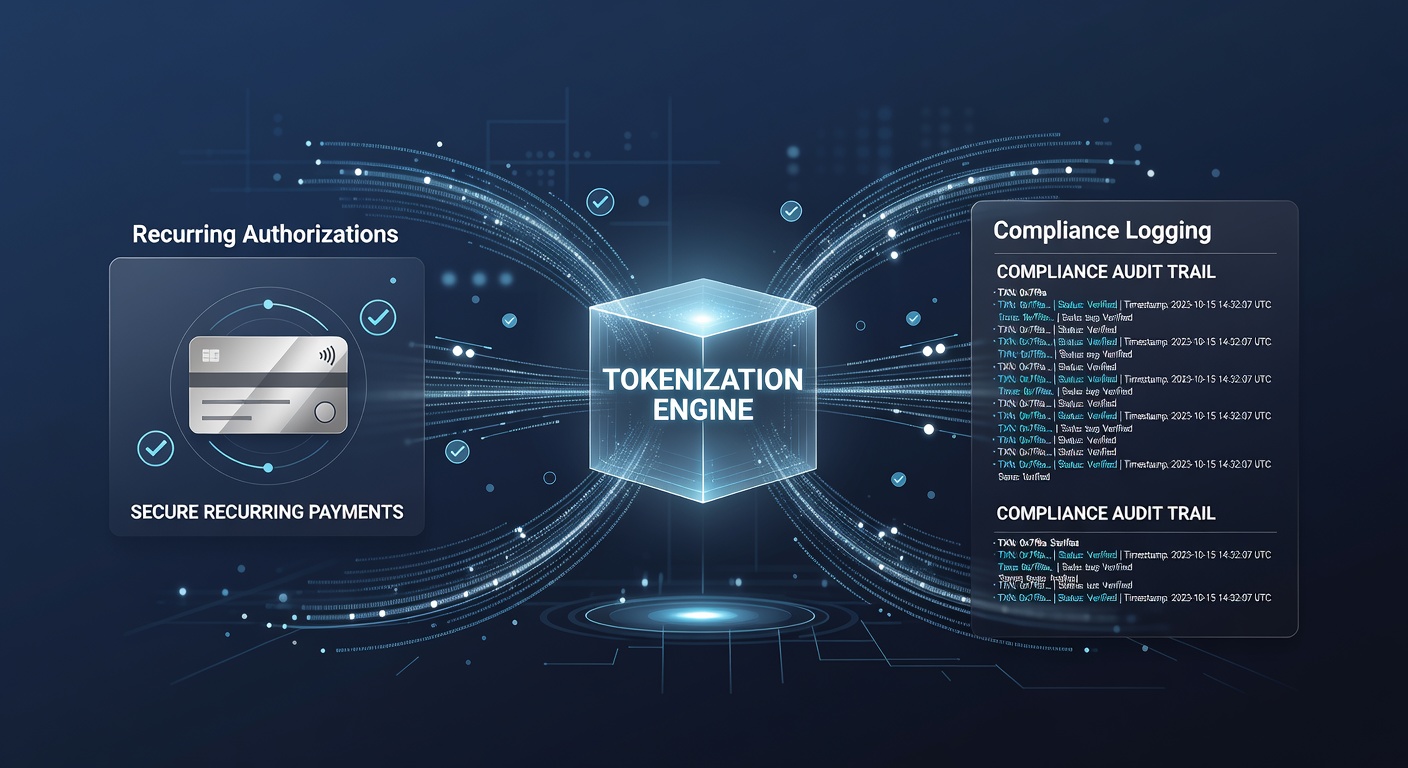
Implementation timelines indicate that several major processors plan expanded token lifecycle management features ahead of May 2026, when updated data protection expectations from various regulatory bodies are scheduled to take effect. These updates focus on extending token validity controls and requiring more granular logging of consent renewals, particularly for cross-border recurring arrangements. Merchants who have already migrated their recurring flows onto token infrastructure report smoother alignment with these forthcoming standards because their existing logs already capture the necessary fields.
Technical Mechanisms Supporting Both Security and Audit Needs
Token service providers operate under frameworks that require cryptographic separation between the token itself and the detokenization process, ensuring that only authorized parties can map a token back to an account number. Each authorization request includes the token plus a cryptogram that proves the request originates from an approved channel, and the entire exchange gets timestamped and stored as a compliance record. This design prevents replay attacks while supplying the forensic detail auditors require when investigating disputed recurring charges.
Research from institutions studying payment infrastructure shows that tokenization reduces the scope of PCI DSS compliance for merchants because they no longer store or transmit primary account numbers for recurring use cases. The remaining obligations center on protecting the tokens and the systems that request them, which typically involves narrower controls than full card data environments. Logs generated during these operations feed directly into automated reporting tools that flag anomalies such as unusual authorization frequency or mismatched merchant categories.
Conclusion
Tokenization protocols continue to redefine how recurring authorizations operate and how compliance information gets captured across digital commerce. By decoupling payment credentials from transaction processing and embedding detailed metadata into every step, these systems deliver both operational resilience and regulatory traceability. As implementation deadlines approach in May 2026, platforms that have adopted token-based recurring flows stand positioned to meet evolving logging expectations with minimal additional changes, while the underlying records support ongoing oversight from bodies operating in different regions.